Research Portfolio
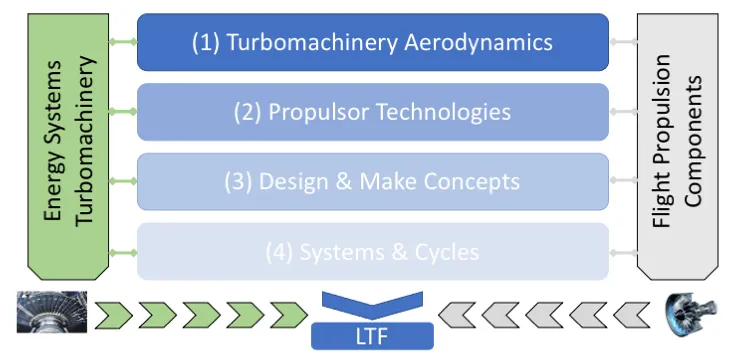
The research areas of the Chair of Turbomachinery and Flight Propulsion are divided into the areas listed below.
Research Projects
In this section you will get an insight into the current research projects of the Chair of Turbomachinery and Flight Propulsion.

The aim of the project is to develop a method for calculating the change in the radial clearance of a compressor during a highly unsteady surge cycle in the unstable operating range.
More information can be found here.
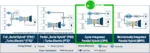
Significant reductions in emissions and increases in efficiency are hardly possible by optimising conventional aero-engine components. Disruptive approaches for new propulsion systems are therefore necessary. The use of electrical energy promises high drive system efficiency.
You can find detailed information here.
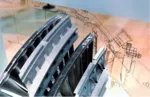
The preliminary design of turbomachinery is a complex process. Therefore the evalution and revision of the current and development of new mechanical pre-design methods of turbine components are the main tasks of this project.
You can find detailed information here.
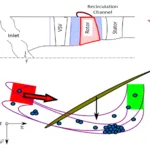
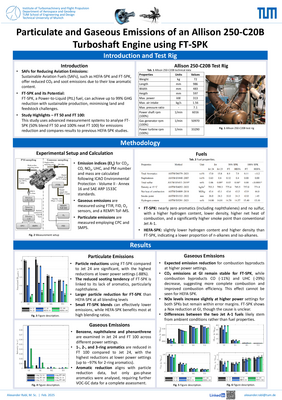
Particle entrainment in aero-engines is unavoidable and stable operation can be compromised by impurities. The project aims are to improve the understanding of the physical flow behaviour of particle-laden flows.
You can find detailed information here.
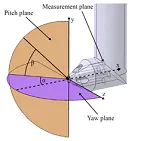
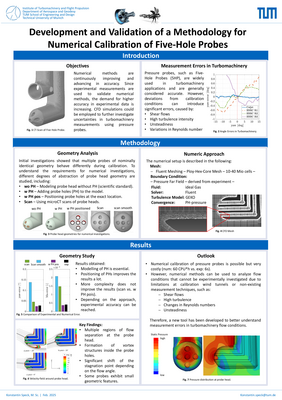
Experimental investigations on innovative blade geometries and flow treatments are carried out at the HSRC axial compressor test rig. As part of the research topic "Numerical calibration of pressure probes", a methodology is to be developed with which pressure probes can be numerically calibrated.
You can find detailed information here.
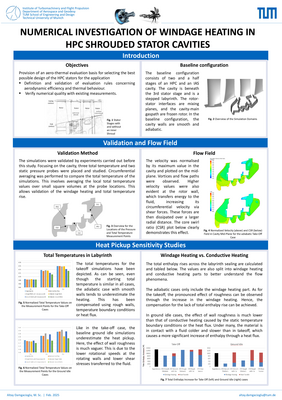
The project aims are to establish the feasibility of different concepts to influence rotor and casing displacements, so as to keep clerances to a minimum while ensuring safe operation.
You can find detailed information here.
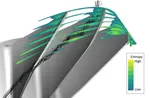
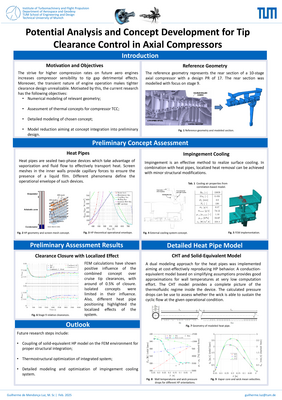
The main goal of this project is the reduction of the Tip Leakage Flow impact on compressor. Tip Leakage Flow is a result of secondary flows on the rotor tip and can cause significant losses, as it curls up into a vortex, leading to passage blockage and reduction of the surge margin.
You can find detailed information here.